Introduction
Investing in a professional laser hair removal system involves much more than comparing advertised power ratings or purchase prices. For clinics, medical aesthetic centers, and beauty businesses, the real value of a machine comes from its ability to deliver reliable performance over many years of daily use. A system with stable energy output, durable components, and an efficient cooling system often provides a lower total cost of ownership than one that simply advertises higher wattage.
When choosing an 808nm Diode Laser Hair Removal Machine, buyers should look beyond marketing claims and pay closer attention to the machine’s overall lifespan. The American Society for Laser Medicine and Surgery (ASLMS) states that treatment effectiveness and safety rely on proper laser settings, effective cooling, and regular equipment maintenance rather than a single performance specification. (Source: ASLMS)
This article explains the key components that affect equipment lifespan. It also shows how to recognize misleading power claims and outlines practical factors to consider when selecting a reliable system for long-term business growth.
What Does Machine Longevity Mean for Professional Hair Removal Equipment?
Machine longevity refers to the ability of a laser system to ensure steady performance throughout its expected service life while requiring minimal unexpected maintenance. For aesthetic equipment, longevity is not measured only by the number of treatment sessions completed. It also includes energy consistency, cooling efficiency, component durability, and the manufacturer’s ability to provide long-term technical support.
From a purchasing perspective, a longer-lasting system reduces downtime, minimizes repair expenses, and improves scheduling efficiency. These factors directly influence return on investment because every interruption in service may affect clinic productivity.
Many experienced buyers look at the total cost of ownership when comparing professional equipment. They consider replacement parts, maintenance requirements, operating stability, and clinical reliability throughout the machine’s service life rather than focusing only on the initial purchase price.
Why Peak Power Alone Does Not Reflect Equipment Quality
Many product advertisements emphasize peak power numbers such as 2000W or 3000W. While sufficient power is important, it does not indicate better clinical performance or longer service life.
A Permanent Laser Hair Removal machine should provide stable energy delivery across thousands of treatment sessions. If internal components cannot continuously support the advertised output, the excessive heat may accelerate wear on critical parts and reduce overall reliability.
Professional buyers review laser bar quality, cooling architecture, pulse stability, and maintenance records before making purchasing decisions.
The Two Components That Have the Greatest Impact on Equipment Lifespan
Laser Bars: The Core of Stable Energy Output
Laser bars generate the optical energy used during treatment. Their manufacturing quality directly affects output consistency, treatment efficiency, and expected service life.
High-quality laser bars generally provide:
· Stable energy transmission
· Reduced performance degradation
· Longer operational lifespan
· More consistent treatment outcomes
· Lower maintenance frequency
Because laser bars operate under significant thermal stress, manufacturing precision and heat management become important factors. Poor-quality laser bars may initially achieve similar output levels, but performance can decline more rapidly after extended clinical use.
For this reason, an experienced 808nm Diode Laser Hair Removal Manufacturer typically invests in higher-grade optical components rather than focusing only on higher advertised power ratings.
Cooling System: Protecting Critical Components
Heat is one of the primary factors that affect laser component longevity.
An effective cooling system performs several important functions:
1. Maintains stable laser temperature.
2. Protects internal optical components.
3. Improves treatment comfort.
4. Supports continuous operation.
5. Reduces thermal stress during high workloads.
Professional diode laser systems commonly integrate multiple cooling technologies, including semiconductor cooling (TEC), water circulation, air cooling, and sapphire contact cooling. Each layer contributes to maintaining stable operating conditions throughout extended treatment sessions.
Without sufficient thermal management, even high-output devices may experience reduced efficiency, component fatigue, or shortened service life.
How Can Buyers Recognize Inflated Power Claims?
Today’s aesthetic equipment market makes it difficult for buyers to separate genuine engineering quality from marketing claims. Some manufacturers highlight impressive power ratings and technical specifications, but they provide very little information about the components that actually determine long-term performance. Instead of focusing only on advertised wattage, buyers should evaluate the machine’s overall engineering design, component quality, and system reliability.
Questions Worth Asking Before Purchasing
Before investing in professional equipment, consider asking the manufacturer the following questions:
| Evaluation Item | Why It Matters |
| What type of laser bars are used? | Determines energy stability and service life. |
| What cooling technologies are integrated? | Supports continuous operation and protects internal components. |
| Is energy output tested for consistency? | Helps maintain predictable treatment performance. |
| What maintenance support is available? | Reduces operational downtime. |
| Are replacement components readily available? | Supports long-term equipment ownership. |
These questions often reveal more about machine quality than advertised power alone.
Looking Beyond Marketing Specifications
Reliable manufacturers share clear technical information about their products. They also provide detailed documentation, technical support, warranty coverage, and after-sales service to help buyers make informed decisions.
A professional 808nm Diode Laser Hair Removal Machine should be evaluated as a complete system. Buyers should look at the engineering design, component quality, and overall reliability. A well-designed machine with dependable components is more likely to deliver stable performance and long-term value.
What Makes a Professional Diode Laser System a Long-Term Investment?
For clinic owners, purchasing a laser platform is not only a technical decision but also a financial one. A professional system should support years of stable operation while maintaining treatment quality and minimizing unexpected maintenance costs. This is why experienced buyers evaluate the total cost of ownership.
High-Quality Components Support Long-Term Performance
Reliable laser platforms are built around components designed for continuous clinical use. In addition to laser bars and cooling technologies, buyers should also consider software stability, power supply design, and treatment parameter control.
According to the official specifications published by HOMI Laser, the EON Ice Pro 3000W is equipped with a high-power diode laser platform, an intelligent touchscreen interface, and multiple cooling technologies designed to support stable operation during routine treatments. These features are intended to improve treatment consistency while helping operators work more efficiently.
Rather than viewing specifications independently, clinics should evaluate how these systems work together to maintain reliable performance throughout the equipment’s service life.
Stable Energy Delivery Improves Clinical Efficiency
Consistent energy output is essential for predictable treatment results. Variations in laser energy may affect treatment efficiency and increase the need for additional sessions.
For this reason, many clinics prioritize equipment capable of maintaining stable output during continuous operation. While treatment protocols always depend on patient characteristics and practitioner experience, stable hardware provides a stronger foundation for consistent clinical performance.
Case Study: EON Ice Pro 3000W 808nm Diode Laser Hair Removal System
The EON Ice Pro 3000W is designed for clinics and beauty salons that provide professional hair removal treatments. It supports a wide range of skin types and treatment areas. According to the manufacturer’s published specifications, the system combines an 808nm diode laser with multiple cooling technologies and an intelligent control interface to support stable and efficient daily operation.
Product Overview
| Feature | Description |
| Product Name | EON Ice Pro 3000W 808nm Diode Laser Hair Removal System |
| Laser Type | 808nm Diode Laser |
| Display | Intelligent Touchscreen |
| Cooling Technology | Semiconductor (TEC), Water Cooling, Air Cooling, Sapphire Contact Cooling |
| Intended Users | Medical aesthetic clinics, beauty centers, dermatology practices |
| Main Treatment | Professional laser hair reduction |
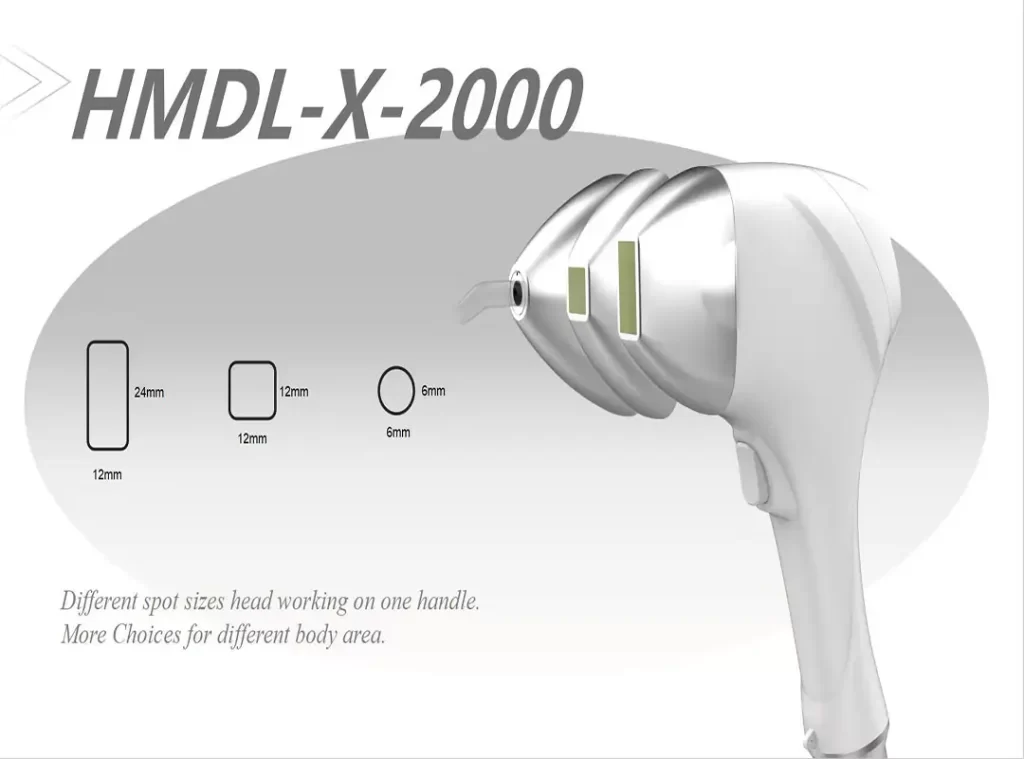
The 808nm Diode Laser Hair Removal Manufacturer also highlights a large treatment spot size and ergonomic handpiece design, which may help improve operational efficiency during treatments over larger body areas.
Typical Application Scenarios
Professional diode laser systems are commonly used for treating unwanted hair on areas including:
· Face
· Underarms
· Arms
· Legs
· Bikini area
· Back
· Chest
Treatment parameters should always be adjusted by trained professionals according to individual skin type, hair characteristics, and clinical assessment.
The 808nm Diode Laser Hair Removal Machine is designed to target melanin in the hair follicles while reducing heat exposure to the surrounding skin. When used with appropriate treatment settings, it can provide effective hair reduction with a comfortable treatment experience.
How to Evaluate Machine Lifespan Before Making Your Investment
Before selecting professional aesthetic equipment, buyers should compare objective technical information instead of relying solely on marketing materials.
A practical evaluation process includes the following steps:
Step 1: Review Core Components
Confirm the type of laser bars, cooling technologies, and overall system architecture.
Step 2: Compare Technical Specifications
Evaluate pulse width, spot size, cooling methods, operating interface, and maintenance accessibility.
Step 3: Assess Manufacturer Support
Reliable technical assistance, operator training, warranty policies, and replacement part availability contribute to long-term equipment value.
Step 4: Consider Total Cost of Ownership
Equipment with dependable performance may reduce maintenance expenses and operational downtime throughout its lifecycle.
Conclusion
Choosing a professional diode laser platform involves much more than comparing power ratings or purchase prices. Long-term value depends on the quality of the internal components, the effectiveness of the cooling system, consistent energy delivery, and reliable technical support.
Buyers should evaluate the complete engineering design behind the equipment. High-quality laser bars, efficient thermal management, and stable performance can contribute to improved operational reliability and better long-term return on investment.
For clinics seeking professional hair removal equipment, understanding how these components work together can help buyers make purchasing decisions more wisely.A carefully selected Permanent Laser Hair Removal machine can support consistent clinical operation while helping practices manage maintenance costs and improve workflow efficiency.
FAQ
Q1. Does higher wattage always mean better performance?
A: No. Advertised power alone does not determine treatment quality or equipment longevity. Buyers should also evaluate energy stability, cooling technology, component quality, and manufacturer support.
Q2. Why is cooling technology important in laser hair removal equipment?
A: Cooling technologies help protect internal components from excessive heat while improving patient comfort during treatment. Effective cooling also supports stable operation during extended clinical use.
Q3. How can buyers identify a reliable 808nm Diode Laser Hair Removal Machine?
A: Buyers should compare laser bar quality, cooling architecture, technical documentation, warranty policies, maintenance support, and the manufacturer’s industry experience rather than relying only on promotional specifications.
Q4. What applications are suitable for professional diode laser systems?
A: Professional systems are commonly used for hair reduction on the face, underarms, arms, legs, chest, back, and bikini area in medical aesthetic clinics and beauty centers.
Q5. Why is choosing an experienced manufacturer important?
A:Well-established 808nm Diode Laser Hair Removal Manufacturers tend to deliver full-spectrum after-sales resources over the whole service life of your machine. These resources cover hands-on technical guidance, staff operation coaching, regular software upgrades, covered warranty care, and spare component supplies.