Introduction
The global medical aesthetics market has seen explosive growth in minimally invasive skin rejuvenation and anti-aging treatments over the past decade. Patients increasingly seek effective, low-downtime solutions for scars, wrinkles, and texture irregularities, driving demand for advanced laser technologies. At the forefront of this trend is the fractional CO2 laser, a versatile device that bridges the gap between basic beauty treatments and high-end medical skin reconstruction.
For MedSpa owners, investing in a fractional CO2 laser machine is a significant financial decision. The fractional CO2 laser machine cost can vary dramatically based on technical specs, build quality, and manufacturer, making it critical to understand what factors drive pricing. This guide will break down the core technology, clinical applications, pricing tiers, and key considerations to help you avoid costly mistakes and maximize your return on investment (ROI). Whether you’re a new clinic or an established practice, this article will equip you with the knowledge to choose the right CO2 laser fractional machine for your business.
Understanding Fractional CO2 Laser Technology and Clinical Applications
How Fractional CO2 Laser Works
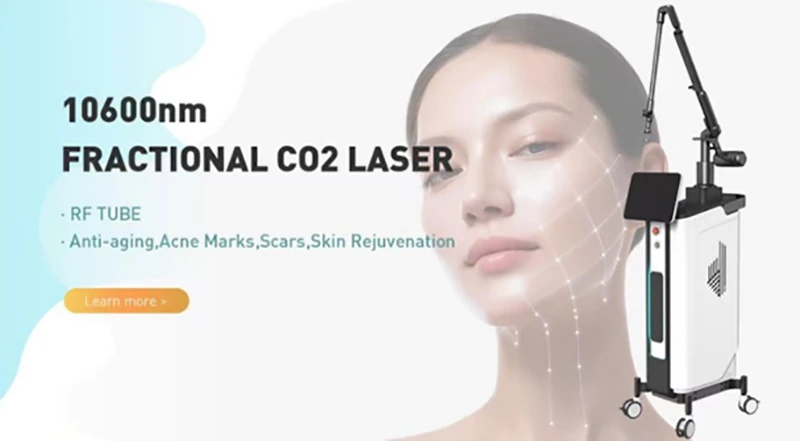
A fractional CO2 laser operates at a precise CO2 laser 10600nm wavelength, which is highly absorbed by water in the skin. Unlike traditional full-field CO2 lasers, fractional technology creates thousands of microscopic thermal zones (MTZs) in the target tissue, leaving surrounding skin intact. This controlled damage triggers the body’s natural healing response, stimulating collagen and elastin production in the dermis. The result is ablative fractional CO2 laser skin reconstruction, with faster recovery times and fewer side effects than older CO2 systems.
Key Clinical Indications
The versatility of CO2 laser fractional resurfacing makes it a staple in MedSpas and dermatology clinics. Its primary applications include:
- Scar Treatment: CO2 laser for surgical scars, fractional CO2 laser for scars, and acne pit removal. The laser breaks down scar tissue and remodels collagen, smoothing uneven skin texture.
- Anti-Aging and Wrinkle Reduction: CO2 laser for skin resurfacing and CO2 laser tightening skin address fine lines, deep wrinkles, and sagging skin. It’s safe for delicate areas like fractional CO2 laser under eyes and fractional CO2 laser eyelids.
- Stretch Mark Repair: Fractional CO2 laser stretch marks and CO2 laser on stretch marks improve the appearance of pregnancy and growth marks by rebuilding collagen in the affected areas.
- Skin Texture and Tone: Reduces pore size, improves sun damage, and evens out skin discoloration for a smoother, more youthful complexion.
Key Technical Specifications That Affect Pricing
The CO2 laser machine for skin price is primarily determined by core hardware components, with laser tube technology being the most critical factor. Below are the key specs that impact cost and performance:
RF Metal Tube vs. Glass Tube
The laser tube is the heart of any 10600nm fractional CO2 laser system. Two main types dominate the market:
- Glass Tube: Found in entry-level devices, glass tubes are cheaper to manufacture but have shorter lifespans (500–1,000 hours) and inconsistent energy output. They are prone to overheating and require frequent replacement, increasing long-term operational costs.
- RF Metal Tube: The newest 10600nm RF tube CO2 laser and metal tube 10600nm fractional CO2 laser represent premium technology. RF (Radio Frequency) metal tubes offer:
- Longer lifespan (5,000–10,000 hours)
- Precise, uniform energy delivery
- Better energy efficiency and lower heat generation
- Reduced maintenance costs
A 10600nm RF fractional medical CO2 laser system with a metal tube delivers superior clinical results and reliability, making it the preferred choice for professional clinics.
Output Power and Machine Design
- Power Rating: Clinical-grade fractional CO2 laser equipment typically ranges from 40W to 80W. Higher power (60W–80W) devices like the HOMI FraxRe 60W system handle thicker skin, deeper scars, and body treatments more effectively. Low-power (40W) models are limited to facial treatments and lighter concerns.
- Form Factor:
- Vertical High-Power Units: Designed for heavy clinical use, these standalone machines offer advanced scanning systems, multiple handpieces, and robust cooling. They are ideal for busy clinics but come with a higher price tag.
- Portable CO2 fractional laser machine: Compact, lightweight, and affordable, portable models suit small studios or mobile practices. They have lower power (40W–60W) and fewer features but deliver reliable results for basic facial treatments.
Fractional CO2 Laser Machine Price Breakdown: What to Expect
The fractional CO2 laser machine cost varies widely based on quality, features, and sourcing. Below is a clear breakdown of 2026 market price tiers, with data verified from Aesthetic.Equipment, a leading authority on medical aesthetics device pricing.
Price Tiers for Fractional CO2 Laser Machines
| Price Tier | Price Range (USD) | Key Features | Best For |
| Entry-Level | $$3,000 –$$8,000 | Glass tube, 40W power, basic scanning, 1–2 handpieces, limited warranty | New startups, small studios, budget-focused practices |
| Mid-Range (OEM/Factory Direct) | $$8,000 –$$20,000 | RF metal tube (40W–60W), precise scanning, 3–4 handpieces, CE/FDA certifications, 2-year warranty | Growing MedSpas, clinics prioritizing quality, China Fractional CO2 Laser machine buyers |
| High-End Medical-Grade | $$20,000 –$$50,000+ | Premium RF metal tube (60W–80W), multi-functional (facial, body, vaginal rejuvenation), advanced software, extended warranty, full technical support | Established clinics, luxury MedSpas, surgical dermatology practices |
Sourcing Options and Cost Savings
Buying directly from a Fractional CO2 Laser machine Factory or China Fractional CO2 Laser machine manufacturer offers significant savings compared to third-party distributors. Factory direct pricing eliminates middleman markups, while OEM Fractional CO2 customization lets you tailor features (e.g., handpieces, power) to your clinic’s needs without overpaying for unnecessary upgrades.
Crucial Buying Considerations for Med Spa Owners
Before buying a fractional CO2 laser beauty machine, these key factors should be evaluated to avoid common traps.
1. Safety Certifications and Manufacturer Reputation
Always choose a CO2 Laser Machine Manufacturer with international certifications (CE, FDA, ISO). These certifications ensure that the equipment meets safety and performance standards and reduces the risk of adverse reactions in patients. Research on the manufacturer’s historical record: the manufacturer’s brand, an old-fashioned fractional CO2 laser, provides better manufacturing quality and reliability than an unknown startup company.
2. Consumables and Long-Term Maintenance Costs
Unlike RF micro needling or IPL devices, premium fractional CO2 laser beauty machine systems have minimal recurring costs. The life of the radio frequency metal tube is as long as several years, and there are no disposable parts in the hand-held parts. This low cost per treatment (usually $ 5-10) maximizes profit rate. Avoid using cheap glass tube models, because frequent replacements of glass tubes (500 to 1,000 dollars each) will offset the savings over time.
FAQ
Q 1: What is the cost of a fractionated carbon dioxide laser treatment for patients?
A 1: Patient treatment prices range from $ $ 300– $ $ 1,500 per session, depending on the treatment area, clinic location, and device quality. Facial rejuvenation usually costs $ 300 to $ 600, while the price of stretch mark or full body care ranges from $ 800 to $ 1,500.
Q 2: How long is the downtime after fractional CO2 laser treatment?
A 2: Downtime varies by treatment depth and device power. Shallow treatments take 3-5 days of redness and peeling, while deep ablation treatments may take 7-10 days of recovery. Due to accurate energy transmission, RF metal tube systems usually have shorter downtime.
Q 3: Can a portable fractional CO2 laser provide the same results as vertical equipment?
A 3: Portable models (40w-60w) have a good effect on facial rejuvenation, fine scar formation and anti-aging. However, due to higher energy output and advanced scanning capabilities, vertical high-power unit (60 w-80 w) is superior to portable equipment in deep scar, stretch marks and body treatment.
Q 4: What is the typical return on investment of a fractional CO2 laser processing machine?
A 4: MedSpas can realize the return on investment within 6-12 months by continuous booking. The low cost of each treatment ($5-10) and high demand of patients for anti-aging treatments have pushed the profitability. Combining lasers with supplementary services can further increase the return on investment.
Q 5: Are fractional CO2 lasers safe for all skin types?
A 5: Modern 10600nm radio frequency fractional CO2 laser systems are safe for most skin types (Fitzpatrick I-IV). However, patients with very dark skin (Fitzpatrick v–VI) may have a higher risk of pigmentation changes. Be sure to test the patch and adjust parameters according to skin color.
Conclusion
Investing in a fractional CO2 laser is a revolutionary step for any medical spa, but success depends on the cost of surpassing the previous fractional CO2 laser. Give priority to the core technology (radio frequency metal tube is better than glass), so that the power and shape can meet the scale of your clinic and the needs of patients, and get the factory direct sales price from a reputable fractional CO2 laser manufacturer.
When evaluating options, keep in mind that the best CO2 laser splitter balances performance, reliability and long-term value, not just the lowest price. Match your laser with auxiliary equipment to improve the return on investment and ensure that you receive appropriate training and after-sales support to provide safe and effective treatments.
With the correct fractional CO2 laser and strategic planning, your Med spa can enter the booming anti-aging and skin reconstruction market, attract loyal patients, and get rich investment returns in the next few years.