The global aesthetic market is experiencing an unprecedented boom, with Q-Switched Nd:YAG Lasers tattoo removal emerging as a cornerstone device, pigmentation treatment, and skin rejuvenation. According to a 2025 report from HUIMAIN, a leading authority on cosmetic laser equipment, the demand for Q-switched Nd:YAG laser systems has increased by 18% every year in the past three years due to the increasing interest of consumers in non-invasive cosmetic surgery and the increasing number of cosmetic clinics around the world. For buyers, this surge provides a profitable opportunity to enter the high-growth market, but it is also accompanied by huge risks. Many buyers, when faced with a crowded marketplace of China aesthetic laser machine suppliers, prioritize price over technical quality and long-term value—an oversight that often leads to low profit margins, customer complaints, and damaged brand reputation. This article aims to uncover the top 5 mistakes buyers make when sourcing Q-Switched Nd:YAG Lasers, providing practical insights to help you avoid pitfalls and partner with reliable aesthetic laser Manufacturers to maximize your return on investment (ROI).
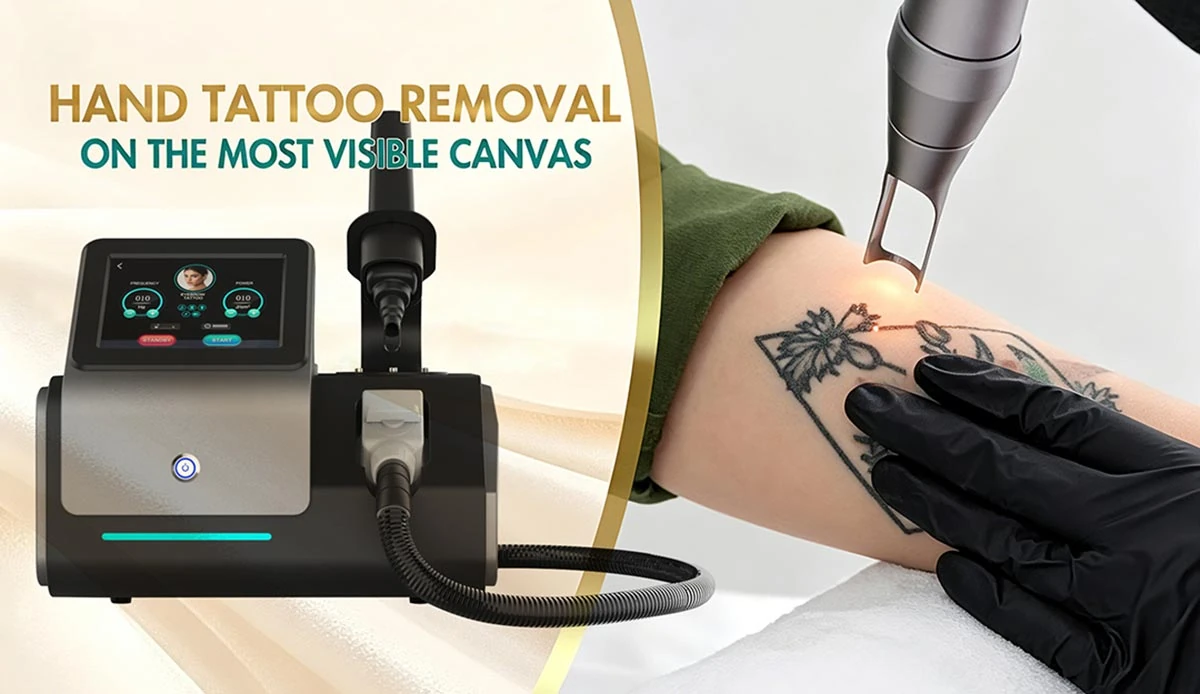
Mistake 1: Confuse Nanosecond and Picosecond Technology
One of the most common and costly errors buyers make is confusing nanosecond and picosecond technologies in Q-Switched Nd:YAG Lasers. While both are used for aesthetic treatments like tattoo and pigmentation removal, they differ significantly in pulse duration, treatment efficacy, and target applications—differences that directly impact customer satisfaction and your bottom line. A Q-Switched Nd:YAG Laser operating in nanosecond mode (typically 10-25 nanoseconds) uses the photothermal effect to break down pigment particles, which can lead to heat diffusion and potential damage to surrounding skin tissue, resulting in longer recovery times and more treatment sessions for clients. In contrast, picosecond Q-Switched Nd:YAG Lasers (1 picosecond = 10⁻¹² seconds) deliver energy 1000 times faster, using the photomechanical effect to shatter pigment into smaller particles, reducing thermal damage, shortening recovery periods, and achieving better results in fewer sessions.
Many buyers fail to clarify their clients’ specific needs, leading them to source the wrong type of Q-Switched Nd:YAG Laser. For example, a small beauty salon focused on basic tattoo removal may only need a nanosecond Q-Switched Nd:YAG Laser with 1064nm wavelength, while a high-end clinic catering to clients with stubborn tattoos or complex pigmentation issues (such as Nevus of Ota) will require a multi-wavelength nanosecond Q-Switched Nd:YAG Laser (1064nm, 532nm, 755nm). The 1064nm wavelength is ideal for deep tattoos and dark skin tones, 532nm for superficial pigmentation and light-colored tattoos, and 755nm for precise treatment of Nevus of Ota and other benign pigmented lesions.
Purchasing tip: Before purchasing, conduct a thorough needs assessment with your customers to determine their target treatments. Ask them whether they focus on basic 1064nm tattoo removal, or whether they need a high-end Pico laser tattoo removal machine with multi-wavelength functions. Partner with Q-Switched Nd:YAG Laser Manufacturers that offer both nanosecond and picosecond options, and request technical specifications to verify pulse duration, wavelength range, and treatment efficacy.
Mistake 2: Ignoring Wavelength Stability and Treatment Versatility
Another critical mistake buyers make is overlooking the integrity and versatility of wavelengths in Q-Switched Nd:YAG Lasers. A high-quality Q-switched Nd:YAG laser must have stable and high-performance core wavelengths, 1064nm and 532nm, to cover the most common cosmetic treatments. The wavelength of 1064nm is very important for the treatment of deep tattoos, dark pigmentation and depilation AIDS, while the wavelength of 532nm (realized by frequency doubling) is used for superficial pigmentation, angiopathy and Nd:YAG laser carbon stripping (also known as black doll or carbon laser stripping). Q-switched Nd:YAG laser (1064nm & 532nm) for carbon peeling treatments are particularly popular among customers seeking skin regeneration, because carbon paste absorbs the laser energy, removes dead skin cells, shrinks pores and brightens skin color.
Many buyers only pay attention to the tattoo removal function, but forget to ask about other functions, such as the function of pigmentation removal laser machine. Customers often seek equipment that can deal with a series of pigmentation problems, including solar pigmentation treatment (age spots, sun spots) and body pigmentation removal (post-inflammatory hyperpigmentation, chloasma). A versatile Q-Switched Nd:YAG Laser that supports multiple treatment modes increases your clients’ service offerings by providing a one-stop solution for aesthetic clinics.
In addition, buyers should consider the value of supporting equipment when purchasing Q-switched Nd:YAG Lasers. For example, Homi Laser, a reputable Q-Switched Nd:YAG Laser manufacturer in China, offers not only high-quality Q-Switched Nd:YAG Lasers but also Professional skin analysis machines. These skin analyzers help clinics diagnose skin conditions before treatment, ensuring personalized and effective use of the Q-Switched Nd:YAG Laser and enhancing the overall client experience.
Mistake 3: Underestimating the Power of Skin Analysis
Buyers often underestimate the importance of skin analysis equipment when sourcing Q-Switched Nd:YAG Lasers, missing out on a key opportunity to add value. The skin analyzers are not only accessories, but also important tools to help clinics provide personalized treatments, build customer trust and demonstrate the effects of Nd:YAG laser pigmentation removal and tattoo removal.
Although high-end products such as the Visia skin analyzer are very popular, their price can be prohibitive for small and medium-sized clinics. A magic mirror skin analyzer or a face scanner skin analyzer diagnostic machine provide accurate skin analysis at a lower price. These devices use multi-spectral imaging technology to evaluate skin conditions, including pigmentation, pores, wrinkles and moisture levels, so that clinics can tailor Q-switched Nd:YAG laser treatments according to the unique needs of each client.
Moreover, a 3D skin analysis machine can quantify the results before and after Nd:YAG laser pigmentation removal treatment, and provide tangible evidence for the curative effect. This is not only helpful for the clinics to retain customers, but also a powerful marketing tool to attract new customers.
Mistake 4: Having a Narrow Product Portfolio
A common pitfall for buyers is relying solely on Q-Switched Nd:YAG Lasers and neglecting other high-demand aesthetic equipment, leading to missed revenue opportunities. The global beauty market is diversified, and customers seek comprehensive solutions for hair removal, anti-aging, and body-shaping, not just removing tattoos and pigmentation. In order to diversify their product portfolio, buyers should supplement Q-switched Nd:YAG Lasers with the following high-demand equipment.
- Medical 808nm Diode Laser Hair Removal Machine: the global 808nm semiconductor laser market is projected to grow at a CAGR of 9.1% from 2024 to 2031, reaching $ 755 million by 2031. These devices, including Triple Wavelength Diode Laser systems, offer fast, effective, and painless hair removal for all skin tones, making them a staple in aesthetic clinics.
- Fractional CO2 Laser Skin Resurfacing: Used for anti-aging, stretch mark removal, and scar treatment, these devices are in high demand among clients seeking non-invasive skin rejuvenation. They work by creating micro-injuries in the skin, stimulating collagen production and improving skin texture.
- Body Contouring Equipment: Devices like the Velashape slimming machine (for cellulite reduction and body shaping) and the Ems Sculpting machine (for muscle toning) are growing in popularity, as clients increasingly seek non-surgical body transformation solutions.
Mistake 5: Neglecting OEM Capabilities and Compliance
The final and often most costly mistake buyers make is neglecting the OEM capabilities and compliance of Q-Switched Nd:YAG Laser Manufacturers. In a competitive market, brand differentiation is key, and OEM capabilities allow buyers to customize Q-Switched Nd:YAG Lasers (and other aesthetic equipment) with their own branding, logo, and software—helping them stand out from competitors and build brand loyalty.
Buyers should give priority to manufacturers who provide OEM services for a series of equipment, including OEM fractional carbon dioxide lasers and OEM 808nm-diode laser hair removal devices. This flexibility allows buyers to tailor products to meet the specific needs of customers according to the target market.
Homi Laser, a leading China Velashape machine and Q-Switched Nd:YAG Laser machine Manufacturer, offers comprehensive OEM capabilities. They provide end-to-end support, from customization to after-sales service, making them a reliable partner for buyers looking to build a sustainable business.
Comparison Table: Key Features to Look for in Q-Switched Nd:YAG Laser Manufacturers
| Manufacturer Feature | Essential (Must-Have) | Recommended (Value-Add) | Red Flag (Avoid) |
| Wavelength Range | 1064nm & 532nm (stable output) | Multi-wavelength (755nm for Nevus of Ota) | Unstable wavelength or single wavelength only |
| Technology Type | Nanosecond (basic) or picosecond (premium) | Dual-mode (nanosecond + picosecond) | Unclear pulse duration specifications |
| OEM Capabilities | Custom branding and software | Full customization (design, features) | No OEM support or rigid customization rules |
| Complementary Equipment | Skin analysis machines | Full aesthetic product line (808nm, CO2) | No complementary products or support |
FAQ: Common Questions Buyers Have about Sourcing Q-Switched Nd:YAG Lasers
Q 1: What is the difference between a China Q-Switched Nd:YAG Laser machine and those from other countries?
A: Many manufacturers in China (such as Homi Laser) have advanced R&D capabilities and provide flexible OEM services. The key difference is cost—Chinese machines are often 30-50% more affordable than those from Europe or the U.S. without compromising on quality. However, buyers must carefully review the manufacturer to ensure compliance and technical reliability.
Q 2: How can I ensure the quality of Q–switched Nd:YAG laser I source?
A: In order to ensure quality, sample testing is required to verify wavelength stability, pulse duration and therapeutic effect. In addition, check after-sales support, including training, maintenance and replacement of parts, which is essential to reduce downtime and ensure customer satisfaction.
Q 3: Is it necessary to provide skin analysis equipment with Q-switched Nd:YAG Lasers?
A: While not mandatory, offering Skin Analyzer Machines with Q-Switched Nd:YAG Lasers is highly recommended. Skin analyzer helps clinics provide personalized treatments, display treatment results, and build customer trust, all of which help to improve customer retention rate and return rate.
Conclusion
Purchasing a Q-switched Nd:YAG laser is not only about buying a piece of equipment, but also choosing a long-term partner to help you develop your business, meet the needs of customers and maximize the return on investment. By avoiding the five mistakes outlined in this article, you can position yourself as a trustworthy dealer in the global aesthetic market.
- Clarify client needs to choose between nanosecond and picosecond Q-Switched Nd:YAG Lasers, and verify wavelength range (1064nm, 532nm, 755nm if needed).
- Prioritize manufacturers with stable core wavelengths and versatile treatment capabilities (including Nd:YAG Laser Carbon Peeling and pigmentation removal).
- Bundle Q-switched Nd:YAG Lasers with cost-effective skin analysis equipment to increase the value.
- Use supplementary equipment (808nm diode lasers, partial carbon dioxide lasers, body shaping equipment) to diversify your product portfolio.
- Select manufacturers with reliable OEM capabilities.
By following this checklist, you can avoid common pitfalls, partner with reputable Q-Switched Nd:YAG Laser Manufacturers, and build a successful, sustainable distribution business in the booming aesthetic laser market. Remember, the best investment you can make is to buy high-quality equipment and trusted partners, which will not only satisfy your customers but also promote long-term profits.